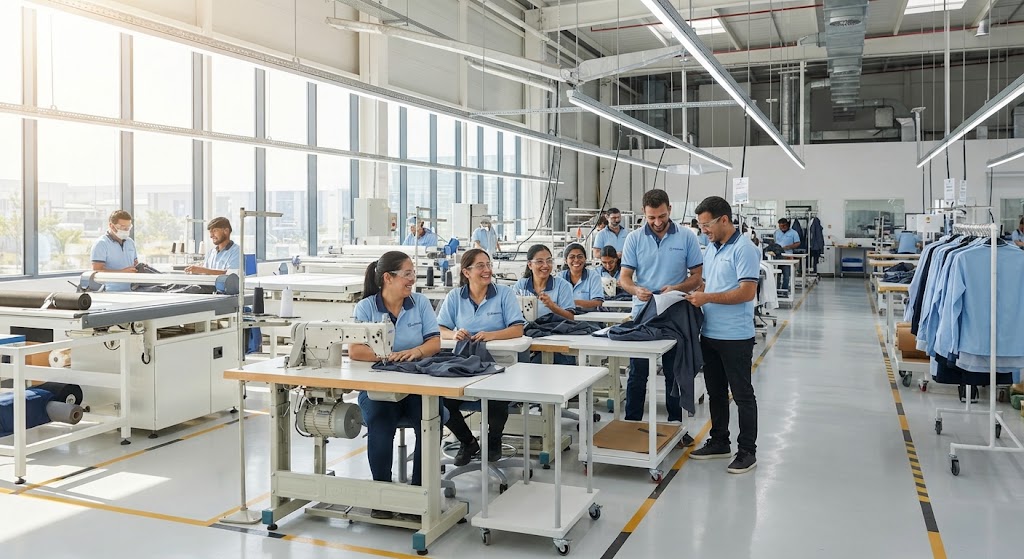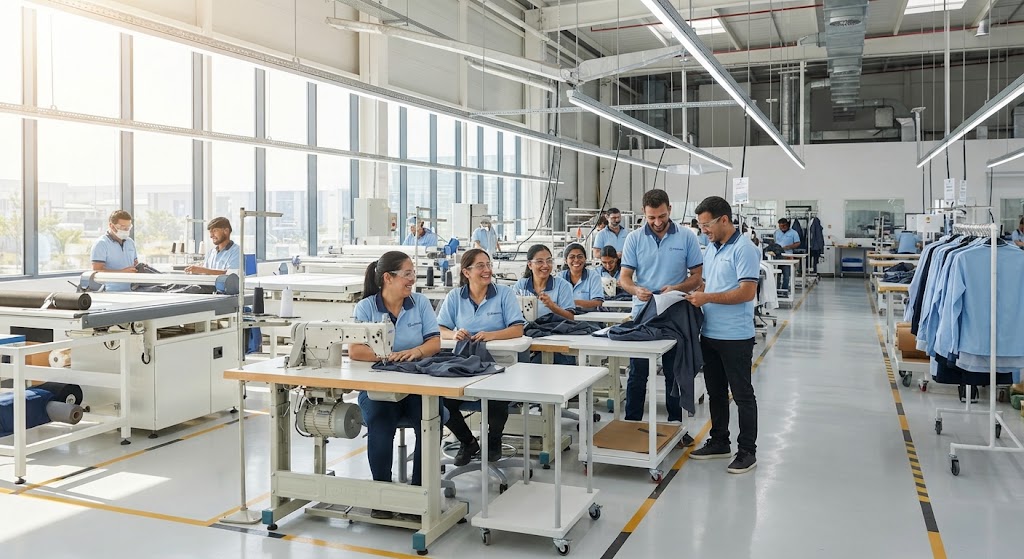
The global manufacturing landscape for garments, footwear, and travel goods is characterized by rapid styling cycles, intricate supply chains, lean profit margins, and a heavy reliance on skilled manual labor. In an industry where efficiency, quality, and worker safety are paramount, maintaining a competitive edge requires robust operational frameworks. Enter the 5S methodology—a foundational Lean tool originating from Japanese manufacturing that has become a cornerstone for operational excellence across textile and accessory production floors.
Understanding the 5S Framework
The 5S system is built upon five Japanese terms that translate into a systematic, disciplined approach to workplace organization and standardization:
-
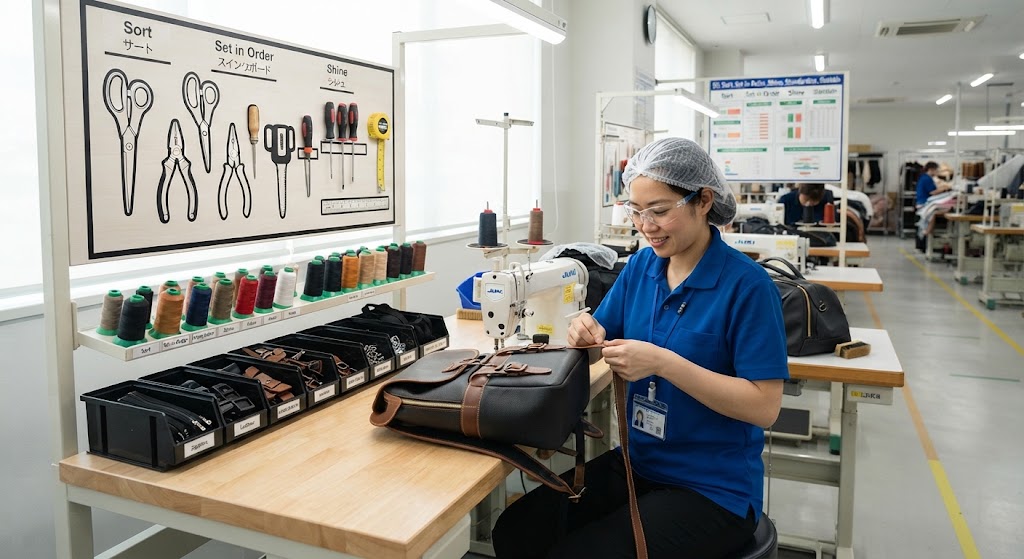
Sort (Seiri): Removing unnecessary tools, materials, and equipment from the work area to eliminate clutter.
-
Set in Order (Seiton): Organizing necessary items logically so they are easy to find, use, and return ("a place for everything, and everything in its place").
-
Shine (Seiso): Cleaning and inspecting the workspace and equipment regularly to prevent defects and breakdowns.
-
Standardize (Seiketsu): Creating consistent rules, visual cues, and procedures to maintain the first three S's.
-
Sustain (Shitsuke): Cultivating discipline and habits to ensure the 5S standards become part of the company culture.
Driving Impact Across Diverse Production Sectors
1. Garment and Apparel Manufacturing
In cut-make-trim (CMT) operations, efficiency relies heavily on smooth material flow. Fabrics, threads, patterns, and trims must move seamlessly from cutting rooms to sewing lines.
-
Eliminating Waste: Sorting removes obsolete patterns and scrap fabrics, freeing up valuable floor space.
-
Minimizing Handling Time: Setting in order ensures sewing machine operators have immediate access to specific needle sizes, presser feet, and specialized threads, drastically reducing downtime between style changes.
2. Footwear Production
Footwear manufacturing involves complex multi-step assembly, from upper stitching and lasting to sole cementing and finishing. This process utilizes hazardous adhesives, sharp cutting dies, and heavy molds.
-
Enhancing Safety: Regular shining and organized workstations ensure that chemical solvents are stored safely and walkways remain clear of debris and trip hazards.
-
Precision Control: Organizing cutting dies and last molds by size and style prevents costly matching errors and reduces operator search time.
3. Travel Goods and Accessories
Luggage, backpacks, and leather goods require intricate hardware integration—zippers, buckles, wheels, and telescopic handles—alongside heavy-duty stitching machinery.
-
Quality Assurance: By standardizing workstation layouts, operators can quickly spot missing hardware or defective components before they are stitched into the final product.
-
Reducing Fatigue: Ergonomically organized assembly tables decrease awkward reaching and bending, protecting worker well-being during long shifts.
Key Benefits of Implementing 5S
-
Enhanced Productivity: Streamlined workstations reduce the wasted motion associated with searching for tools or materials, directly boosting units-per-hour output.
-
Superior Quality Control: A clean, orderly environment reduces the risk of fabric staining, material damage, and assembly errors.
-
Improved Safety and Morale: Clean floors, well-maintained machinery, and organized storage foster a safer, more professional work environment that encourages employee pride and reduces turnover.
Conclusion
For companies in the garment, footwear, and travel goods sectors, adopting 5S is not merely about housekeeping; it is a strategic investment in operational agility. By transforming physical workspaces into disciplined, highly visual environments, manufacturers can achieve higher quality, lower costs, and greater resilience in a demanding global market.