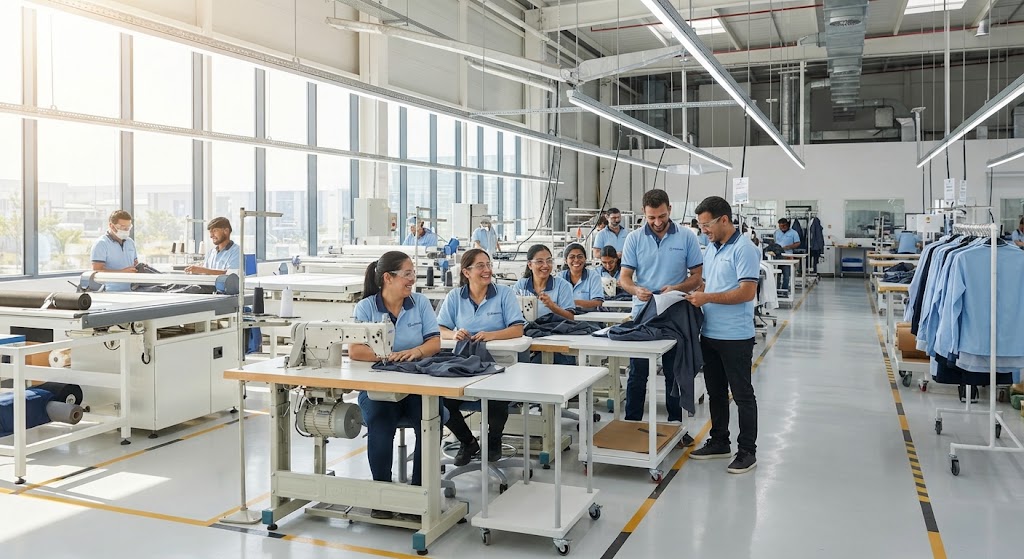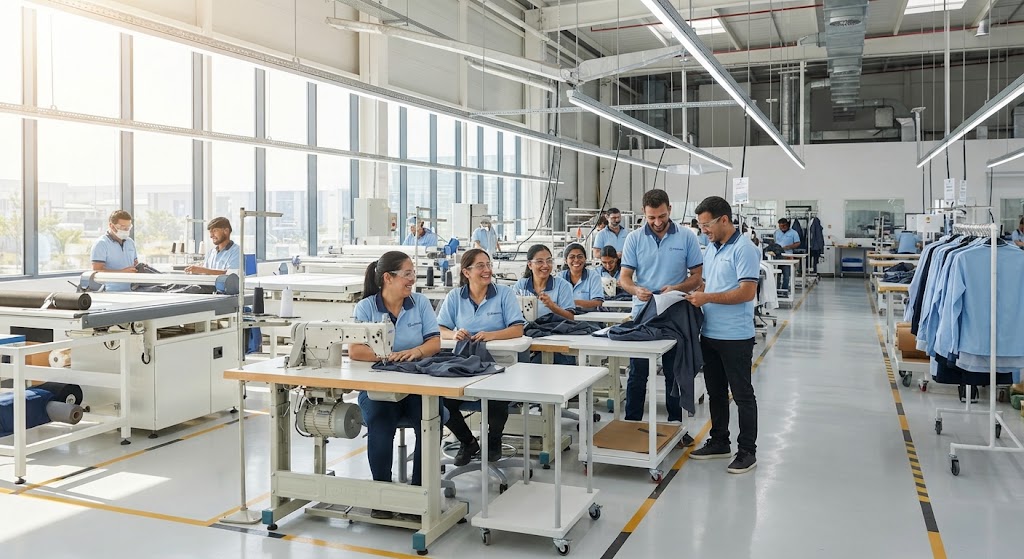
In today's fast-paced global economy, business sustainability is no longer just about reducing carbon footprints or optimizing supply chains. It deeply encompasses the human element—the workforce. More than ever, enterprises are realizing that long-term viability requires a strong commitment to labor standards. Providing good working conditions is not merely a legal requirement or an ethical checkbox; it is a core catalyst for enterprise longevity, resilience, and growth.
1. The Core Pillars of Good Working Conditions
Good working conditions go beyond a basic paycheck. They encompass a holistic approach to employee welfare, including:
-
Occupational Health and Safety (OHS): Ensuring that equipment is safe, workstations are ergonomically designed, and proper safety gear is provided to prevent workplace injuries.
-
Fair Compensation and Reasonable Hours: Providing wages that meet or exceed living standards, paired with structured working hours that prevent burnout and support a healthy work-life balance.
-
Fair Treatment and Respect: Fostering an inclusive environment free from discrimination, harassment, and coercion, where every employee’s voice is valued.
2. Driving Productivity and Operational Excellence
When enterprises invest in the well-being of their workers, the return on investment is vividly reflected in daily operations and performance metrics:
-
Enhanced Productivity: Safe, comfortable, and stress-free environments allow workers to focus, minimize errors, and maintain a steady workflow.
-
Reduced Turnover and Absenteeism: Employees who feel respected and safe are far more likely to stay with the company long-term, drastically cutting down recruitment and training costs associated with high staff turnover.
-
Superior Product Quality: Content, well-rested, and motivated workers take greater pride in their craftsmanship, leading to higher-quality output and fewer defects.
3. Strengthening Global Market Competitiveness
Modern consumers and international buyers are increasingly conscious of ethical manufacturing. They demand transparency and accountability across global supply chains. Enterprises that champion exemplary working conditions easily secure international certifications and meet stringent global compliance standards. This transparency builds deep trust with global partners, opens doors to premium international markets, and safeguards the corporate brand from reputational risks.
4. Overcoming Challenges Through Shared Vision
While the benefits are clear, smaller enterprises sometimes face financial and logistical hurdles when upgrading infrastructure. However, viewing workplace improvements as a strategic investment rather than an operational expense changes the paradigm. Governments, industry associations, and business leaders must collaborate to provide resources, guidance, and incentives, ensuring that even SMEs can foster safe and progressive workspaces.
Conclusion
Ultimately, good working conditions and enterprise sustainability are two sides of the same coin. A business cannot thrive sustainably on the backs of an exhausted or neglected workforce. By placing people at the center of corporate strategy, enterprises build an unbreakable foundation for enduring success, shared prosperity, and harmonious industrial relations.