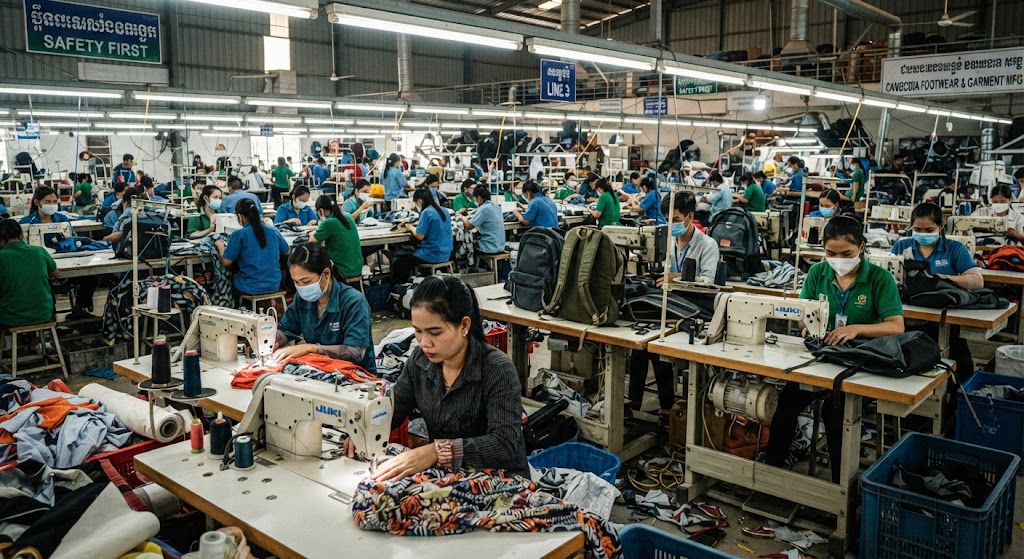
Understanding Excessive Overtime in Cambodia’s Garment, Footwear, and Travel Goods Sector
The garment, footwear, and travel goods (GFT) sector serves as the backbone of Cambodia’s formal economy, driving significant export growth, generating hundreds of thousands of jobs, and supporting local communities. However, despite its vital economic contributions, the industry faces persistent structural challenges, among which excessive overtime remains one of the most pressing labor and operational concerns. Balancing global market pressures with fair labor practices is critical for the long-term sustainability of Cambodia’s manufacturing landscape.
The Context of Factories in Cambodia and Production Status
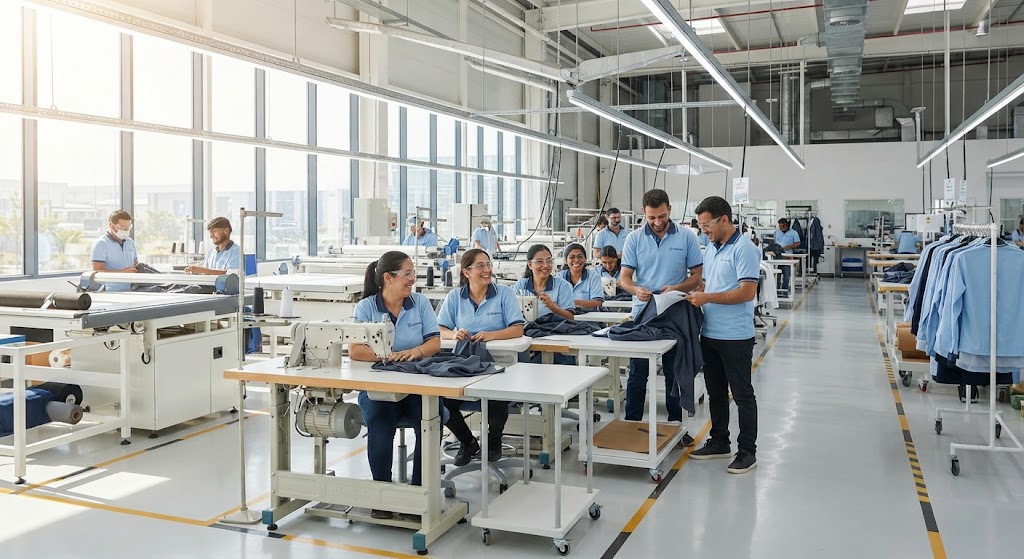
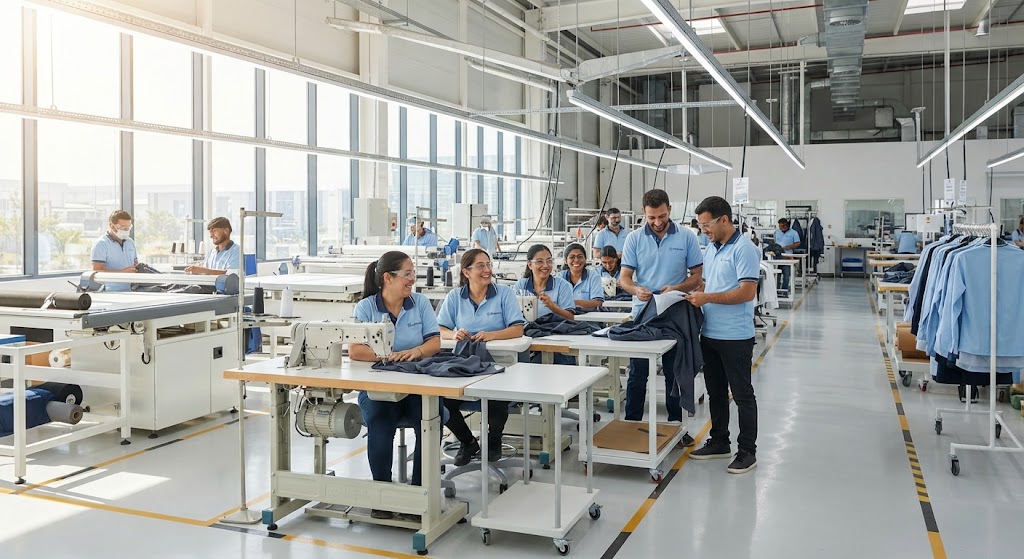
Cambodia’s GFT sector comprises hundreds of manufacturing facilities, predominantly centered around Phnom Penh, Kandal, and provincial industrial zones. These factories supply major global fashion and lifestyle brands, operating within highly competitive international supply chains where speed, volume, and low unit costs dictate market success.
The production status of the industry is characterized by cyclical demand peaks. Factories frequently experience sudden surges in orders driven by seasonal retail trends, promotional periods, or shifts in international trade preferences. To meet tight shipment deadlines stipulated by buyers, manufacturing facilities often rely heavily on extended working hours. While overtime can legally supplement worker incomes, the reliance on excessive hours has become a systemic feature rather than an occasional exception.
Causes of Excessive Overtime
Several intertwined factors drive the prevalence of excessive overtime in Cambodian GFT factories:
-
Short Lead Times and Last-Minute Design Changes: International buyers frequently impose compressed production schedules and introduce late modifications to orders. Factories struggle to compress manufacturing timelines without extending daily shifts and working weekends.
-
Low Basic Wages and Income Pressures: Because base wages often leave little room for comfortable savings amid rising living costs, many workers actively rely on or request overtime hours to increase their monthly take-home pay, creating a complex dynamic between financial need and physical fatigue.
-
Productivity and Efficiency Gaps: Many production lines face constraints related to mid-level management skills, machine downtime, and workflow bottlenecks. Lower baseline productivity during standard working hours forces factories to make up for lost output through extended operational hours.
-
Subcontracting and Capacity Mismatch: Smaller sub-tier factories taking on overflow work often lack the structural capacity to handle large orders efficiently, resorting to intense overtime to fulfill contracts.
Recommended Solutions to Address Excessive Overtime
Mitigating excessive overtime requires a coordinated, multi-stakeholder approach involving factory management, international buyers, government bodies, and labor representatives:
-
Better Purchasing Practices: International brands must commit to realistic lead times, stable forecasting, and fair pricing that accounts for sustainable labor costs and standard working hours.
-
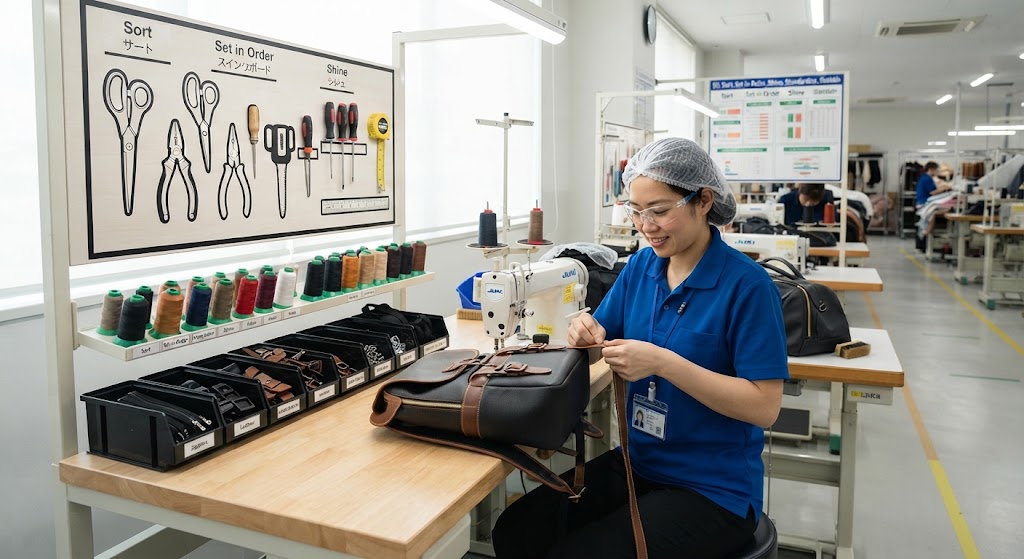
Investment in Productivity and Technology: Factory management should upgrade machinery, streamline factory floor layouts, and invest in continuous skills training for supervisors and operators to boost efficiency during regular hours.
-
Strengthened Compliance and Monitoring: National labor authorities and independent monitors must rigorously enforce legal limits on working hours while ensuring worker welfare mechanisms are transparent.
-
Constructive Social Dialogue: Fostering open communication between factory management and worker unions helps identify operational pain points early, allowing for better capacity planning without compromising worker health and safety.
Addressing excessive overtime is not just a regulatory obligation; it is a vital step toward building a more resilient, ethical, and sustainable GFT industry in Cambodia.